
Crate training your doodle puppy is one of the smartest investments you can make in your dog’s safety, housebreaking, and long-term behavior. Whether you have a Goldendoodle, Bernedoodle, or Irishdoodle, choosing the right crate and using it correctly sets the foundation for a well-adjusted adult dog.
In this comprehensive guide, we’ve researched and compared the best dog crates for doodle puppies available on Amazon. We’ve evaluated each product based on size adjustability, build quality, ventilation, ease of cleaning, and value. All products reviewed here include direct Amazon purchase links with our affiliate tag.
Quick Answer: Our Top Picks
If you’re in a hurry, here are our top recommendations:
- Best Overall: Wire Dog Crate with Divider Panel — adjustable divider, foldable, excellent ventilation, multiple sizes
- Best for Standard Doodles: 42-Inch Large Wire Dog Crate — spacious, sturdy double-door design, divider included
- Best for Mini Doodles: 30-Inch Dog Crate with Divider — compact, perfect for mini Goldendoodles and small Bernedoodles
- Best for Travel: Airline-Approved Plastic Dog Crate — lightweight, secure latches, travel-friendly
- Best Budget: Budget Wire Crate with Divider — solid construction, good value, includes removable tray
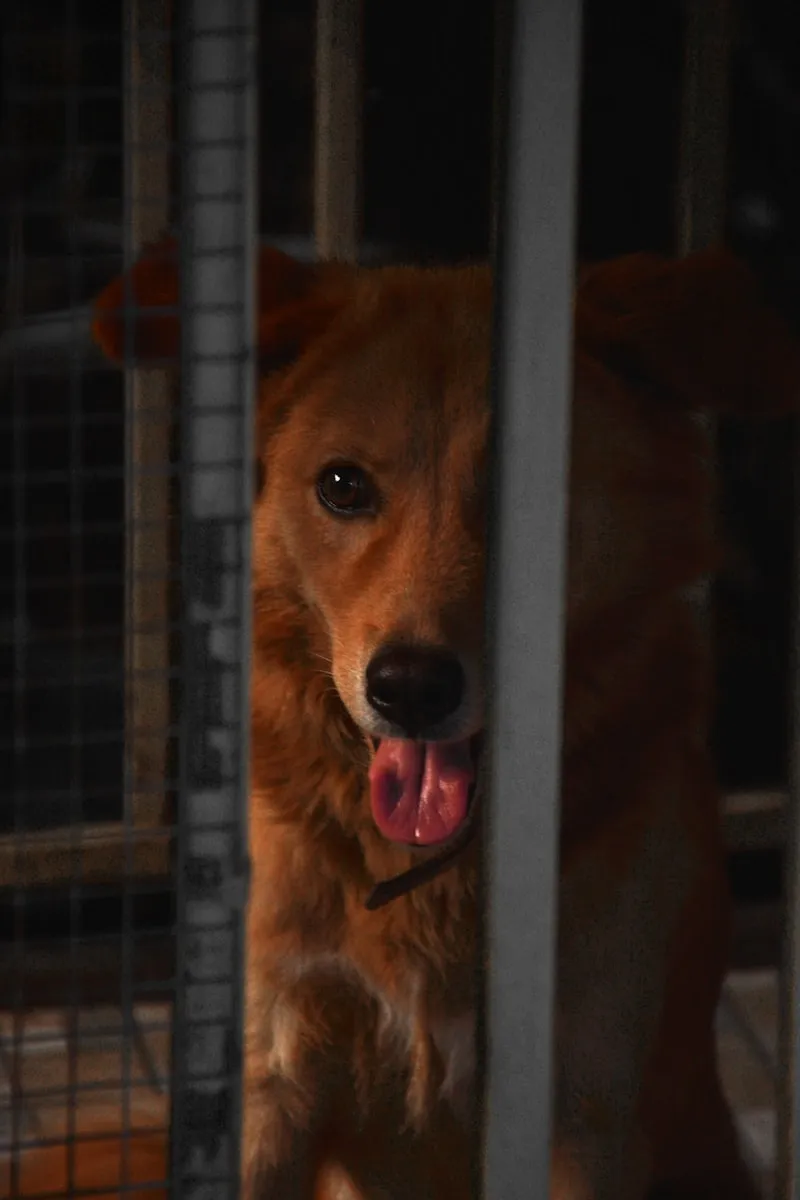
What to Look For in Dog Crates for Doodle Puppies
When choosing a crate for your doodle puppy, consider these important factors:
Size and Adjustability
Doodle breeds vary dramatically in adult size. A Miniature Goldendoodle might top out at 30 pounds, while a Standard Bernedoodle can reach 90 pounds. Buy a crate sized for your puppy’s expected adult weight, then use a divider panel to section off a smaller area while they’re young. Your puppy should have just enough room to stand up, turn around, and lie down — anything larger invites them to potty in one corner and sleep in another.
Wire vs. Plastic vs. Soft-Sided
Wire crates offer the best ventilation and visibility, making them ideal for home training. Plastic crates work well for travel and provide a den-like feel that some anxious doodles prefer. Soft-sided crates are lightweight and portable but not suitable for puppies who chew. For most doodle owners, a wire crate with a divider is the best starting point.
Build Quality and Security
Doodle puppies are smart and persistent. Look for crates with secure latch mechanisms that can’t be nudged open by a curious nose. Heavy-gauge wire resists bending from larger doodle breeds. Double-door designs give you flexibility in crate placement around your home.
Easy Cleaning
Puppies have accidents. Choose a crate with a slide-out plastic tray at the bottom for quick cleanup. Wire crates excel here because you can wipe down every surface. Pair the crate with a washable crate pad for the most hygienic setup.
Ventilation
Doodles have thick, often curly coats that trap heat. Proper airflow inside the crate prevents overheating. Wire crates provide superior ventilation on all sides. If you use a plastic crate, ensure it has ventilation holes on multiple panels.
Product Comparison Table
| Product | Key Features | Best For | Price Range |
|---|---|---|---|
| Wire Crate with Divider Panel | Adjustable divider, foldable, removable tray, double door | All doodle puppies (home use) | $$ |
| 42-Inch Large Wire Crate | Spacious, heavy-gauge wire, divider included, double door | Standard Goldendoodles, Bernedoodles | $$ |
| 30-Inch Wire Crate with Divider | Compact, divider panel, removable tray | Mini doodles, Irishdoodle puppies | $ |
| Airline-Approved Plastic Crate | Secure latches, ventilation holes, lightweight | Travel, vet visits | $$ |
| Budget Wire Crate | Removable tray, single door, divider included | Budget-conscious owners | $ |
Detailed Product Reviews
1. Wire Dog Crate with Divider Panel - Best Overall
This is the crate most doodle owners should start with. The adjustable divider panel lets you resize the interior as your puppy grows, meaning you buy one crate for the lifetime of your dog. The double-door design — one on the front, one on the side — gives you placement flexibility in any room.
The slide-out plastic tray makes accident cleanup straightforward. The entire crate folds flat for storage or transport, which is a genuine convenience if you travel or rearrange frequently. Wire construction provides maximum airflow, critical for thick-coated doodles.
The main trade-off is noise. Wire crates can rattle when a restless puppy moves around at night. A crate cover or blanket draped over three sides solves this while also creating the den-like atmosphere that helps doodle puppies settle.
Key Features: Adjustable divider, double-door access, foldable design, slide-out tray, heavy-gauge wire, multiple size options
2. 42-Inch Large Wire Crate - Best for Standard Doodles
Standard Goldendoodles and Bernedoodles regularly reach 50 to 90 pounds at full size. A 42-inch crate gives these larger doodles adequate room to stand and turn comfortably as adults. The included divider is essential during puppyhood — without it, the crate is far too spacious for an 8-week-old puppy and housebreaking becomes much harder.
Heavy-gauge wire construction handles the strength of a full-grown standard doodle. The double-door design and secure slide-bolt latches keep even the most determined escape artists contained. One downside: a 42-inch wire crate is bulky and takes up significant floor space, so plan your placement before purchasing.
Key Features: 42-inch length, heavy-gauge wire, included divider, double door, slide-bolt latches, removable tray
3. 30-Inch Wire Crate with Divider - Best for Mini Doodles
Mini Goldendoodles, smaller Irishdoodles, and petite Bernedoodles that stay under 35 pounds do well in a 30-inch crate. This size provides enough room for a fully grown mini doodle without the wasted space of a larger model. The included divider accommodates growth from puppyhood to adulthood.
The more compact footprint is a practical advantage in apartments or smaller homes. The slide-out tray and wire construction make cleaning easy. At this size, the crate is also light enough to move between rooms as needed.
Key Features: 30-inch length, compact footprint, divider panel, removable tray, lightweight, single or double door options
4. Airline-Approved Plastic Dog Crate - Best for Travel
If you travel frequently with your doodle or need a crate for vet visits and car rides, a plastic travel crate earns its place alongside your wire home crate. The enclosed design creates a secure, den-like space that reduces visual stimulation and helps anxious doodles stay calm during transit.
Plastic crates meet airline cargo requirements for most carriers, though always verify size restrictions with your specific airline before flying. The secure latch system prevents accidental opening during transport. The downside is limited ventilation compared to wire, so these are better for travel than as a primary home crate for heat-prone doodles.
Key Features: Airline approved, secure latches, den-like enclosed design, lightweight, ventilation holes, top-loading option
5. Budget Wire Crate with Divider - Best Value
Not every doodle owner needs a premium crate with all the bells and whistles. This budget-friendly wire crate includes the essentials — a divider panel, removable tray, and secure latches — at roughly half the cost of premium options. The wire gauge is slightly thinner, which is fine for mini and medium doodles but may not withstand a determined 80-pound Bernedoodle.
The single-door design is the main compromise. You lose placement flexibility, but if your crate has a permanent spot in your home, this is a non-issue. For first-time doodle owners who aren’t sure crate training will stick, this is a smart low-risk entry point.
Key Features: Affordable price, divider included, removable tray, wire construction, single door, multiple sizes

How to Crate Train Your Doodle Puppy
Getting the right crate is only half the job. How you introduce and use the crate determines whether your doodle sees it as a safe retreat or a place of punishment. Follow these steps for a smooth crate training experience.
Start the First Day Home
Introduce the crate immediately when your doodle puppy arrives. Place it in a common area where your family spends time — the living room or kitchen works well. Leave the door open and let your puppy explore on their own terms. Toss a few training treats inside to build a positive association from day one.
Use the Right Size Space
Section off the crate with the divider so your puppy has just enough room to stand, turn around, and lie down. This is critical for housebreaking success — puppies instinctively avoid soiling their sleeping area, but only when the space is appropriately sized. Adjust the divider as your doodle grows.
Keep Sessions Short and Positive
Begin with 15 to 20 minutes of crate time after meals. The general rule is one hour per month of age plus one hour — so a 3-month-old doodle can handle about 4 hours maximum. Never exceed this limit, especially with young puppies. Use a consistent command like “crate” or “kennel” paired with a treat every time your puppy enters.
Never Use the Crate as Punishment
This is the most common crate training mistake. If your doodle chews a shoe or has an accident, do not send them to the crate as a consequence. The crate must always be associated with safety, comfort, and positive experiences. One negative experience can set back weeks of training progress.
Handle Whining Correctly
Your doodle puppy will whine. Wait for at least 30 seconds of quiet before opening the crate door. If you open the door while they’re crying, you teach them that whining gets results. The exception: if your puppy is genuinely distressed or needs a potty break, respond promptly. Learning to distinguish protest whining from genuine need comes with experience.
Create a Den-Like Atmosphere
Drape a blanket or crate cover over three sides of a wire crate to create an enclosed, den-like feel. Leave the front uncovered so your puppy can see out. Add a washable crate pad and a safe chew toy. Many doodle owners find that a calming aid or familiar-scented blanket helps anxious puppies settle faster during the first few nights.

Doodle-Specific Crate Sizing Guide
Doodle breeds come in a wide range of sizes. Use this guide to pick the right crate:
- Petite/Toy Doodles (under 20 lbs): 24-inch crate
- Mini Doodles (20–35 lbs): 30-inch crate
- Medium Doodles (35–50 lbs): 36-inch crate
- Standard Doodles (50–70 lbs): 42-inch crate
- Large Standard Doodles (70–90+ lbs): 48-inch crate
Always size based on your doodle’s expected adult weight, not their current puppy size. If you’re unsure how large your Goldendoodle, Bernedoodle, or Irish Doodle will get, ask your breeder for the parent weights and err on the side of one size larger. A divider panel makes an oversized crate work during puppyhood.

Crate Training Schedule for Doodle Puppies
A consistent schedule accelerates crate training. Here’s a sample daily routine for an 8 to 12-week-old doodle puppy:
- 7:00 AM — Wake up, immediately outside for potty
- 7:15 AM — Breakfast, then 15–20 minutes of supervised play
- 7:45 AM — Crate time (1–2 hours) while you start your day
- 10:00 AM — Potty break, play session, training
- 10:30 AM — Crate time for a nap
- 12:00 PM — Potty break, lunch, supervised play
- 12:30 PM — Crate time for afternoon nap
- 2:30 PM — Potty break, play, socialization
- 3:00 PM — Crate time
- 5:00 PM — Potty break, dinner, extended play
- 7:00 PM — Short crate time while you eat dinner
- 8:00 PM — Final play session, last potty break at 10:00 PM
- 10:00 PM — Crate for bedtime
Expect to wake once or twice during the night for potty breaks until your puppy is about 4 months old. Pair your crate training with a solid puppy food routine to keep digestion predictable and housebreaking on track.

Essential Crate Training Accessories
Round out your setup with these items:
- Washable crate pad: Choose one that fits your crate size snugly. Avoid loose bedding that a puppy can shred and swallow.
- Crate cover: Reduces visual stimulation and creates a calming den environment for wire crates.
- Safe chew toys: Give your puppy something productive to do in the crate. Avoid toys with small parts that could become choking hazards. Check out our guide to the best chew toys for teething puppies.
- Enzymatic cleaner: Accidents will happen. An enzymatic pet cleaner eliminates odors completely so your puppy doesn’t return to the same spot.
- Training treats: Small, soft treats are ideal for rewarding crate entry. You want something your puppy can eat quickly without crumbs accumulating in the crate.
For more on setting up your home for a new doodle, explore our full dogs resource section.
Final Verdict
For most doodle owners, a wire crate with an adjustable divider panel is the best choice. It grows with your puppy, provides excellent ventilation for thick doodle coats, and makes cleanup easy. If you have a Standard Goldendoodle or Bernedoodle, go with the 42-inch size from the start. Mini doodle owners can save space and money with a 30-inch model.
The crate is only as effective as your training approach. Start early, keep sessions positive, respect your puppy’s age-appropriate time limits, and never use the crate as punishment. Consistency and patience turn a wire box into your doodle’s favorite place in the house.
Ready to get started? Pick up a wire crate with divider panel on Amazon and begin crate training your doodle puppy today. A well-crate-trained doodle is a safer, calmer, and happier dog — and that’s worth every minute of the process.